
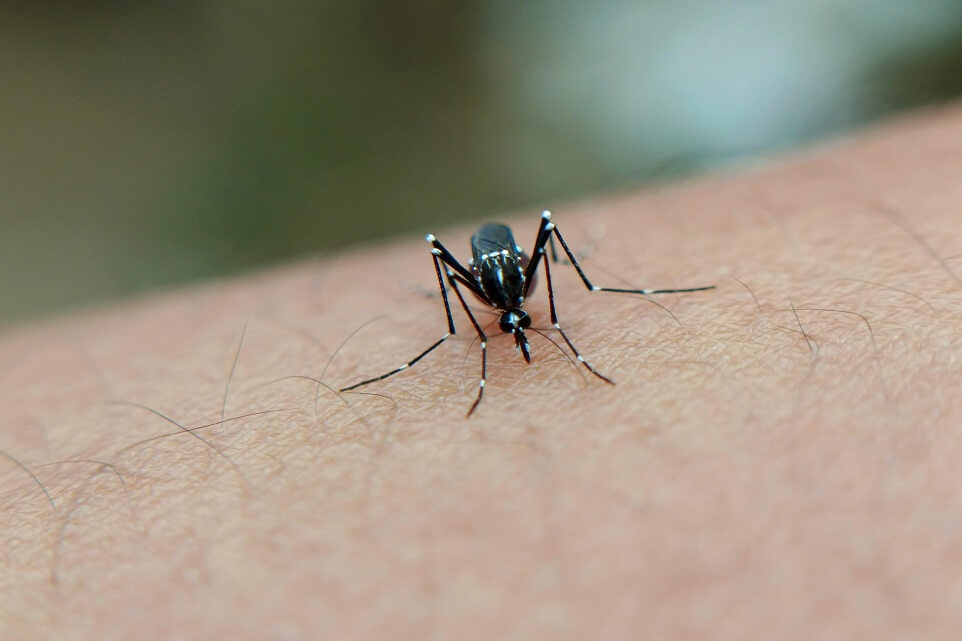
Introduction: The Increased Mosquito Activity This Season
In Singapore, the warm tropical climate brings many benefits year-round, but it also means we face the challenge of seasonal pests. The Aedes mosquito, known for transmitting dengue fever, is one of the most troublesome and harmful insects.
From May to October, the number of mosquitoes rises sharply because of the Southwest Monsoon, which leads to heavy rains and more standing water, creating perfect breeding conditions. During this time, the National Environment Agency (NEA) frequently issues warnings about dengue, urging people to remain aware.
Families, particularly those living in crowded areas like HDB flats and condos, become more vulnerable to dengue as case numbers rise in these months. Now is the time to take active steps to protect yourself and your loved ones.
1. Eliminate Standing Water Around Your Home
Standing water is the primary cause of mosquito breeding in Singapore. Aedes mosquitoes can reproduce in tiny amounts of water, as little as a puddle the size of a 20-cent coin. To get rid of breeding areas, make sure to:
- Clean out flowerpot bases
- Change pet water bowls each day
- Store buckets and pails upside down
- Empty water from dish drying trays
- Maintain gully traps and roof gutters
- Regularly clear air-conditioner trays
- Follow the 5-step Mozzie Wipeout, a routine integrated by the NEA to keep homes mosquito-free.
Pro Tip: Conduct a weekly inspection of your home, especially after heavy rainfall.
2. Apply Mosquito Repellents Indoors and Outdoors
Both chemical and natural repellents offer strong protection against mosquito bites. Whenever you’re inside or outside, be sure to apply repellent to exposed skin, particularly on your arms, legs, and ankles.
Select repellents that are:
- Approved by the NEA
- Formulated with DEET (10-30%), picaridin, or IR3535
- Safe for children and infants (look for safety labels).
For your home, think about using plug-in repellents or diffusers with essential oils like citronella, lemongrass, or eucalyptus, which naturally deter mosquitoes.
3. Install Mosquito Screens on Your Windows and Doors
Preventing mosquitoes from entering is easier than trying to catch them. Mesh screens can block out mosquitoes while allowing fresh air in, which is perfect for the humid climate in Singapore.
Make sure to:
- Use fine mesh that covers all windows and doors
- Install screens with magnetic or Velcro attachments for easy maintenance
- Consider screens for ventilation grilles and air vents
Bonus Tip: Include door sweeps to seal small gaps at the bottom of your doors.
4. Utilise Mosquito Traps and Electric Zappers
Modern mosquito traps function well both indoors and outdoors. They attract mosquitoes by imitating body heat or emitting CO₂, effectively capturing them.
You can consider using:
- UV light traps in bedrooms and living areas
- CO₂ traps in gardens or patios
- Electric zappers for quick removal
Remember to regularly empty and clean the traps to avoid turning them into new breeding grounds.
5. Use Protective Gear
The heat in Singapore may encourage you to wear shorts and sleeveless tops, but this increases the risk of mosquito bites. To stay safe:
- Choose long-sleeved shirts and long pants.
- Select light-coloured clothing since mosquitoes tend to go for darker shades.
- Consider using mosquito patches or wristbands for added safety.
This advice is crucial when you are in parks, green areas, or construction sites where mosquitoes breed frequently.
6. Plan for Regular Fogging and Larvicide Applications
Controlling mosquito swarms can be difficult alone, particularly if your area has previously seen dengue outbreaks. Hiring professional pest control can provide reliable, long-lasting solutions like:
- Thermal fogging to eliminate adult mosquitoes.
- Applying Ultra-Low Volume (ULV) mist for specific indoor and outdoor areas.
- Using larvicide treatments to kill larvae in stagnant bodies of water.
At Conquer Pest, we employ NEA-approved methods that offer safety for families, pets, and the environment. We customise our mosquito control services for various property types, including HDBs, condos, landed homes, and commercial spaces.
7. Keep Updated with NEA Dengue Cluster Information
The NEA Dengue Alert Map shows where active dengue clusters are located in Singapore. Areas are colour-coded according to their risk level and are updated frequently.
If you reside near a red or yellow zone:
- Limit outdoor activities during dawn and dusk.
- Apply repellents and wear protective clothing more often.
- Notify your neighbourhood management to arrange for fogging.
Staying updated helps you take preventive measures before a larger outbreak occurs.

Why Is Preventing Dengue So Crucial?
Dengue fever is not just a mild illness; it can lead to:
- High fevers.
- Intense headaches and joint pain.
- Skin rashes.
- In severe cases, it may result in dengue haemorrhagic fever or dengue shock syndrome, which can be life-threatening.
With no specific treatment available, the best way to protect yourself is through prevention. Children, seniors, and those with weakened immune systems face greater risks of serious complications.
Additionally, dealing with dengue can result in:
- Medical expenses.
- Loss of income due to missed workdays.
- The chance of spreading the illness to friends or family.
How Conquer Pest Can Assist You This Mosquito Season
At Conquer Pest, we recognise the serious threats from mosquito infestations and the importance of ongoing protection. Our thorough mosquito control services are carried out by skilled and certified technicians. Our treatments are safe for your family and pets, and we provide flexible options for monthly, bi-monthly, or one-time services. With a quick response time of less than 24 hours, we are dedicated to helping you tackle current mosquito issues and prevent future dengue outbreaks effectively.
Frequently Asked Questions (FAQs)
- When does mosquito season occur in Singapore?
Mosquito activity usually peaks from May to October, coinciding with the rainy monsoon period. During these months, Aedes mosquitoes thrive, and the likelihood of dengue fever rises significantly. - What steps can I take to prevent dengue at home?
To avoid dengue, it’s important to remove any standing water, apply insect repellent, put up mesh screens, wear protective attire, and consider regular fogging or pest management services. - Is fogging an effective method for controlling mosquitoes?
Absolutely. Fogging kills adult mosquitoes, while larvicide focuses on the larvae. For the best results, it’s wise to use both techniques together on a regular schedule, particularly in areas where risks are higher. - Do mosquitoes find places to breed inside homes in Singapore?
Indeed, this happens often in residences with inadequate drainage or standing water in different containers. Common indoor breeding spots include houseplants, drains in bathrooms, and trays from air conditioning units.